CDM Dispatch, ten years of underground production.
Real-time LHD coordination at Cullinan Diamond Mine. Laravel + Livewire on IIS, SQL Server with dual-database isolation, MQTT over the underground WiFi. Four active mining levels, 24/7/365, active SLA with Petra Diamonds. Built with Graybeard Solutions.
What we built
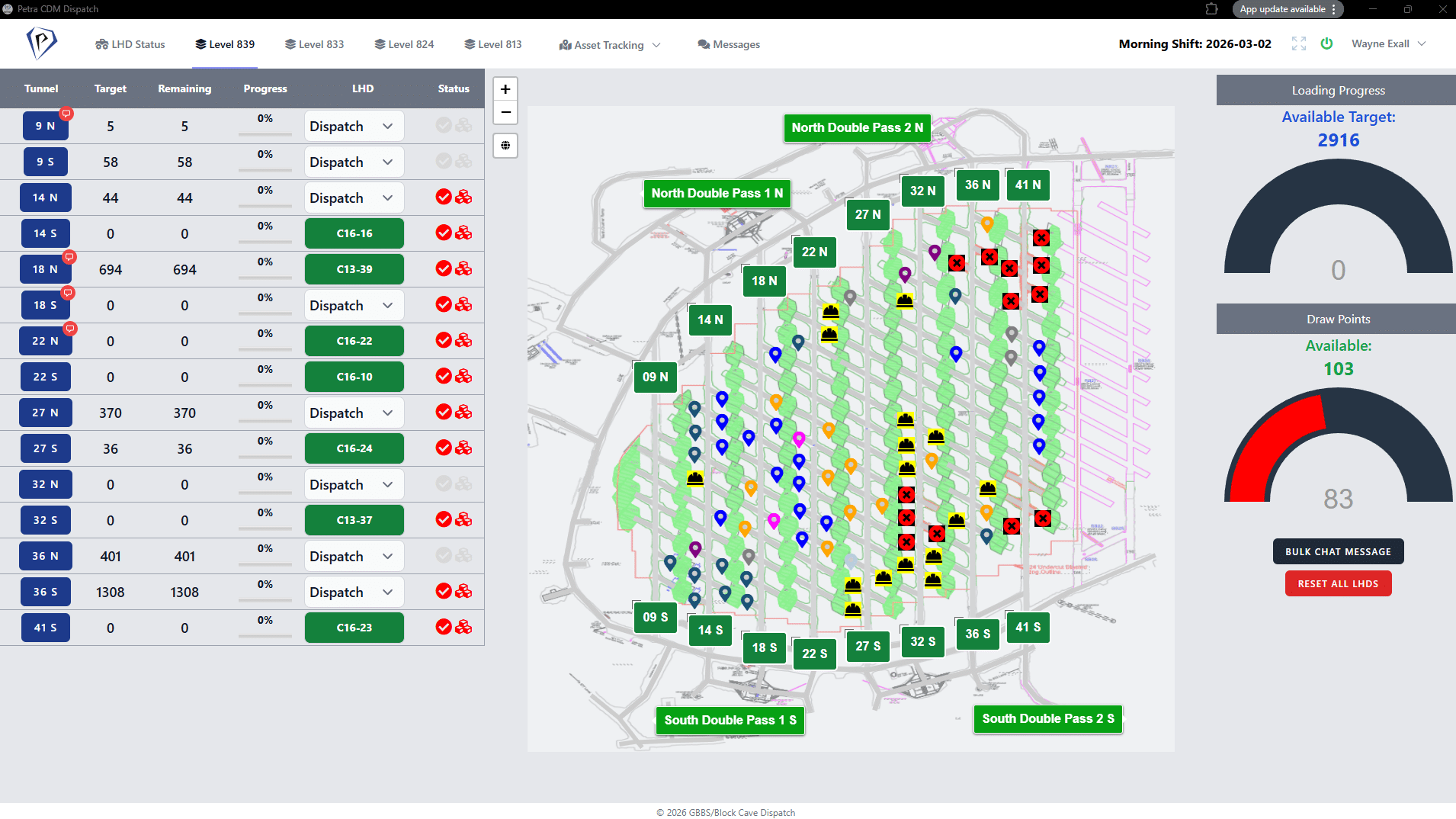
CDM Dispatch is a real-time digital command centre for underground mining operations at Cullinan Diamond Mine. It coordinates LHD fleets across four active mining levels, replacing the radio calls, whiteboards, and shift-end spreadsheets that used to carry dispatch information by hand. The platform has run continuously for roughly a decade: three shifts a day, every day, under active SLA.
-
Real-time LHD tracking
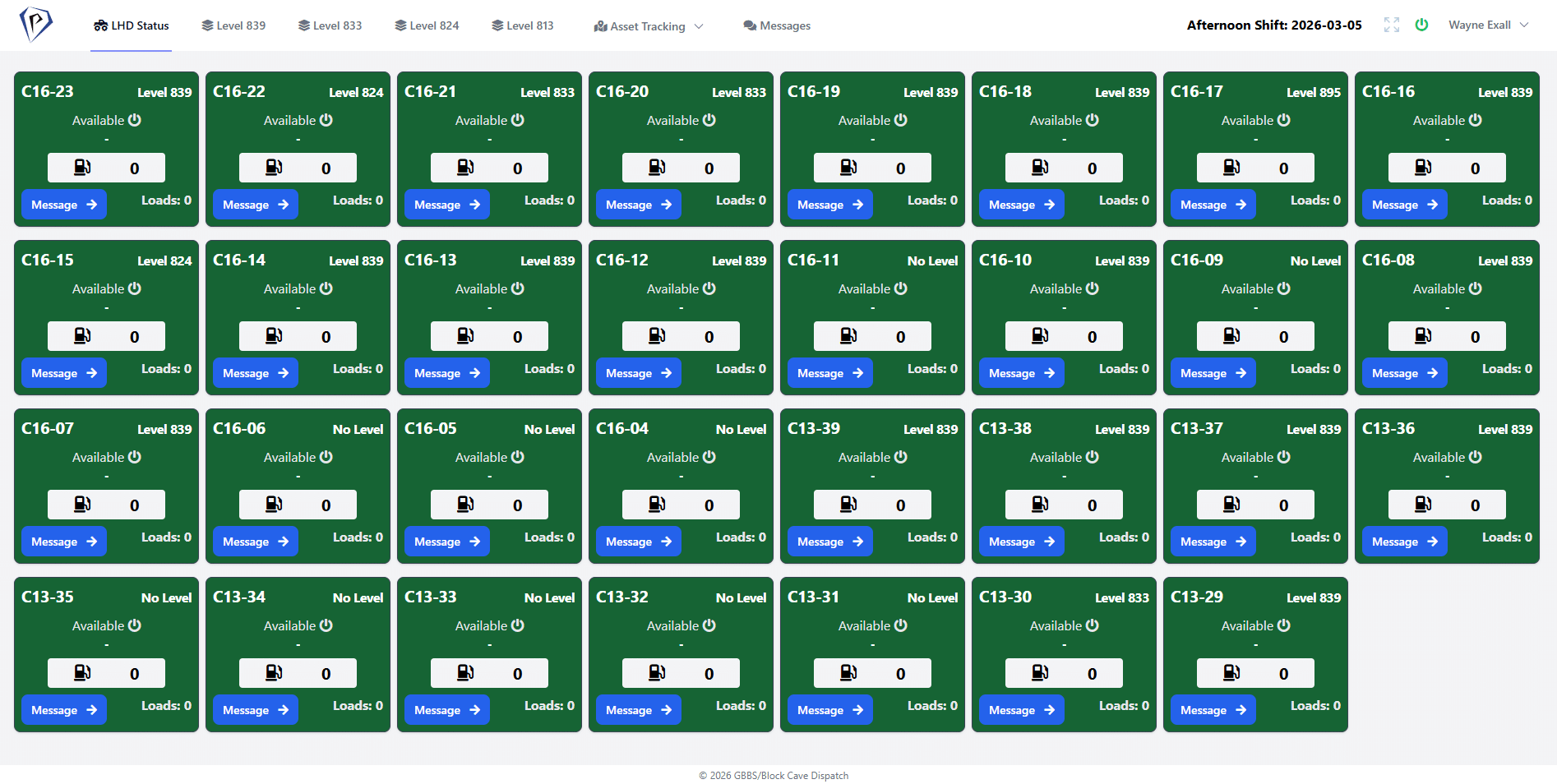
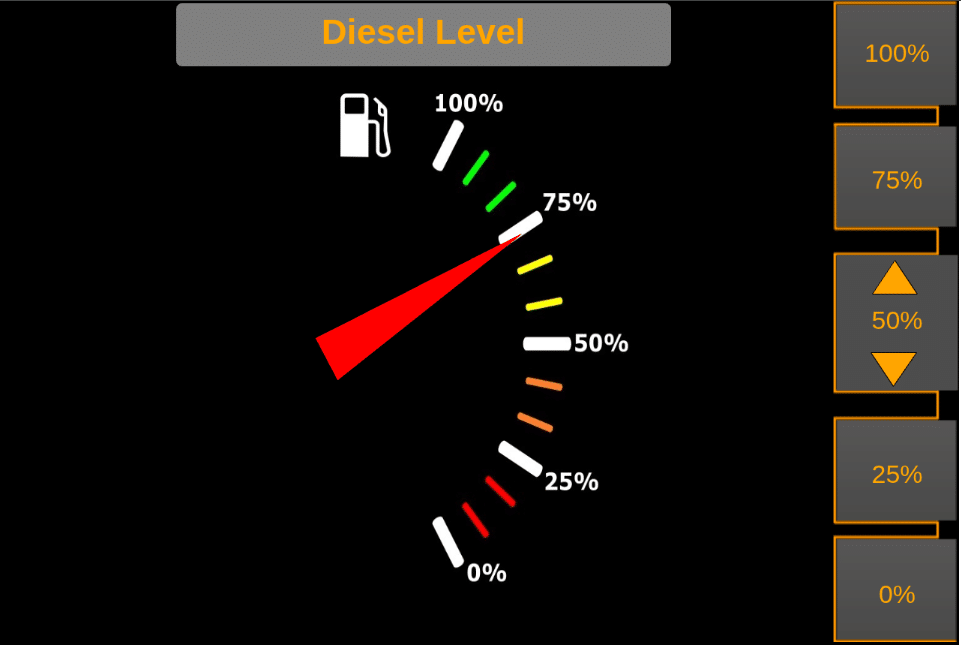
Every LHD across the four active mining levels is tracked live: position, fuel gauge, operator on shift, load-in-bucket status. RFID readers installed throughout the tunnels confirm position automatically, and the dispatcher dashboard refreshes every 20 seconds. Critical events surface immediately.
-
Draw-point control
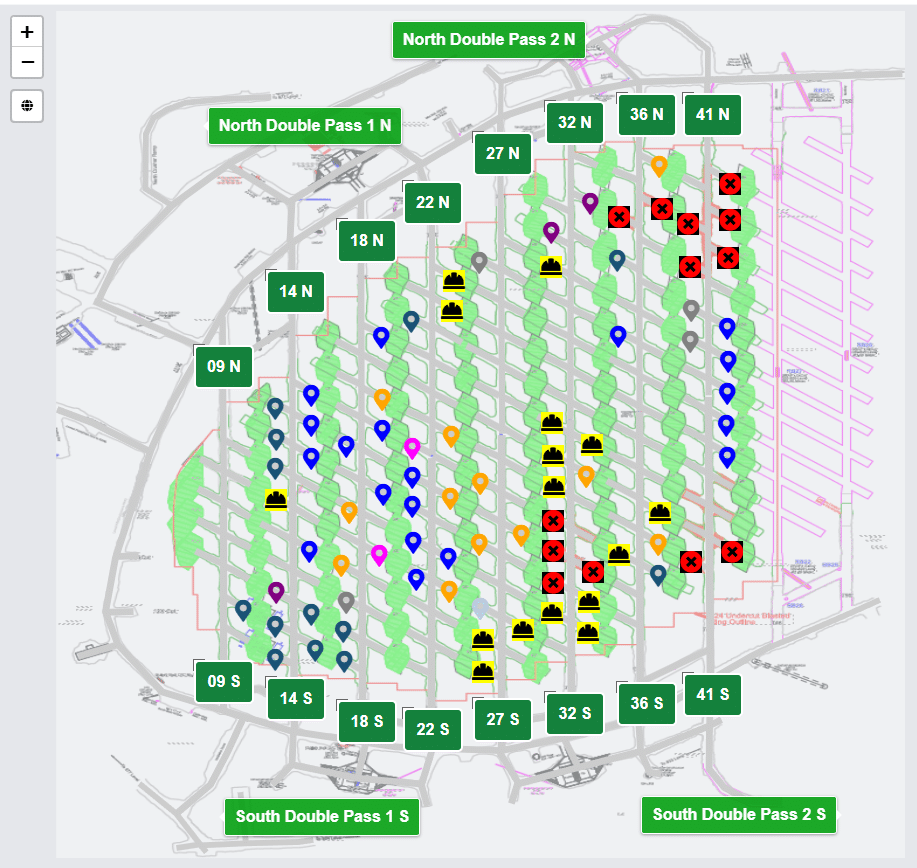
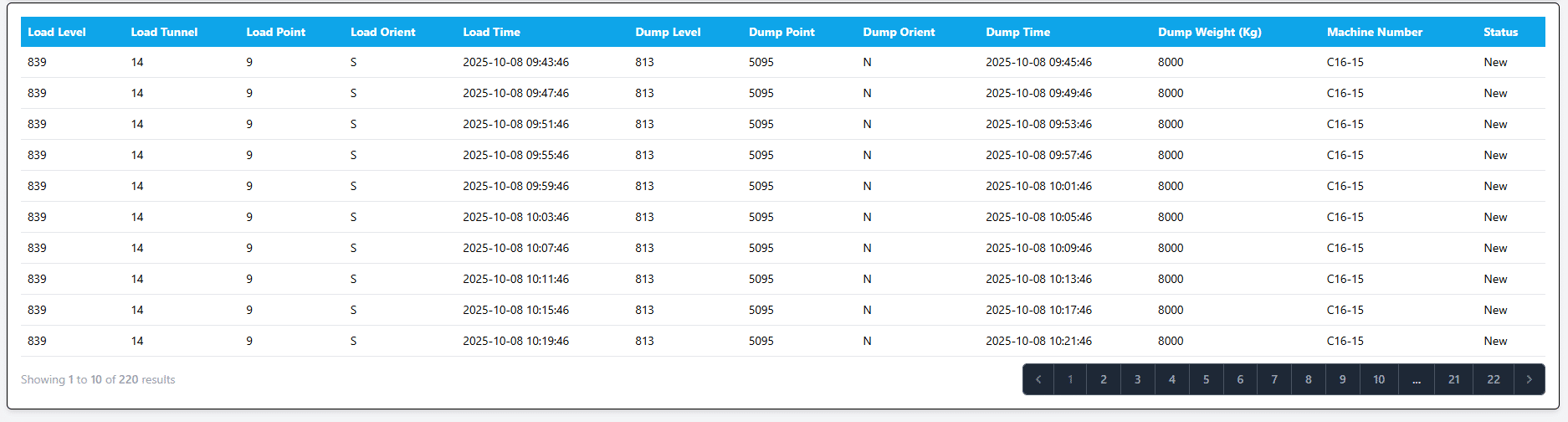
Every draw point carries a current status, blocked or unblocked, with structured reasons for the block and a running history of loads tipped. Tunnel layouts and blocked areas are visible to the dispatcher; dump-tip status is held with seven days of rolling history so the supervisor can see the recent picture, not just the snapshot.
-
Two-way operator messaging
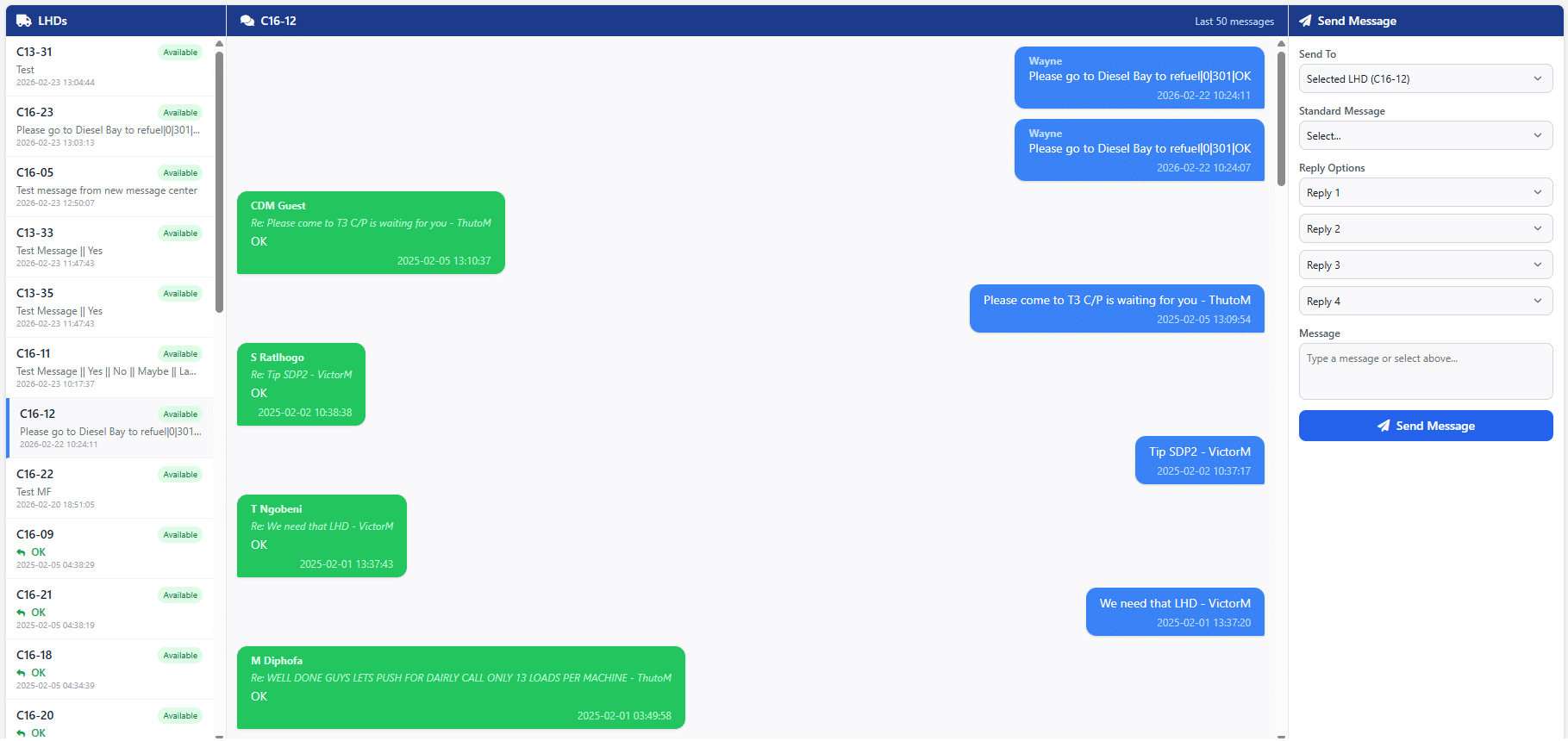
Dispatchers and operators exchange messages tied to specific locations: safety alerts and production updates. Every thread keeps its full history. Sent and read status are tracked on every message so a safety instruction is never assumed to have landed when it hasn't.
-
Shift-aware data
Three shifts run the operation (06:00–14:00, 14:00–22:00, 22:00–06:00) and the system respects those boundaries throughout. Production targets, load counts, and dispatch orders reset automatically at shift changeover, and every load and message is attributed to the operator and shift that owned it.
-
Hardware integration
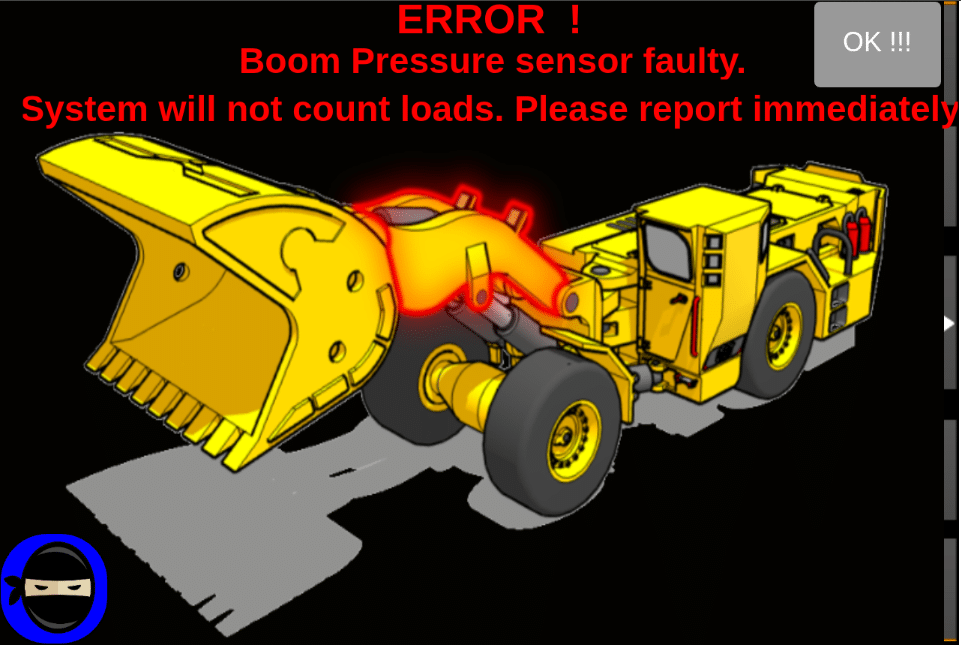
A two-way MQTT data flow links the dispatch platform to underground LHDs over the mine's WiFi network. Hydraulic sensors detect bucket tilt and boom lift; RFID readers in the tunnels confirm machine position; IFM HMI touchscreen panels in each LHD cab are the operator's interface. The on-machine hardware, the MQTT server infrastructure, and the HMI panels were delivered by Graybeard Solutions.
-
Dual-write reliability
Dispatch orders and messages are written to both the mine's draw-control network and the SQL Server database, so a partial outage in one path doesn't cost production data. Manual backdated entries support recovery once connectivity returns. The platform has survived database downtime, network outages, and equipment upgrades over its ten years in service.
Outcomes
10+ years
In production
4
Active mining levels
24/7/365
Coverage
Common questions
How long has the system been running?
How does shift changeover work?
What stack runs in production?
What happens when the network drops?
How is the partnership with Graybeard Solutions structured?
Why dual database?
Stack & partnership
We designed and built the dispatch management platform: the web application, the data layer, the dispatch logic, the dashboards, the reporting, and the complete audit trail. The stack is Laravel with Livewire on IIS, SQL Server with a dual-database design that separates authentication from operations, MQTT for real-time messaging between surface and underground, and a Progressive Web App with service-worker support for installable access. The platform has carried a decade of production load.
Hardware integration, MQTT broker infrastructure, and the IFM HMI panels in LHD cabs were delivered by Graybeard Solutions. Equal-partner delivery.
Holding for ten years in an underground mine looks unglamorous in practice. Databases go down and orders still reach machines through the dual-write path. Networks drop and the Progressive Web App keeps basic access alive until connectivity returns. Equipment is upgraded, levels are expanded, dispatchers and supervisors come and go. Every assignment, every message, and every load from the past decade is still traceable in the audit trail. That is what continuous production looks like from the software side.
Want this capability built for your operation? See Mining Dispatch Systems →